
In the realm of foreign exchange (Forex) trading, understanding Forex trading charts is crucial for success. These charts are the visual representations of currency price movements and are essential tools for traders looking to analyze and predict market trends. You can explore more insights on Forex trading by visiting forex trading charts https://forex-exregister.com/. This article aims to provide a comprehensive overview of Forex trading charts, elaborating on their types, significance, and methods for effective analysis.
What are Forex Trading Charts?
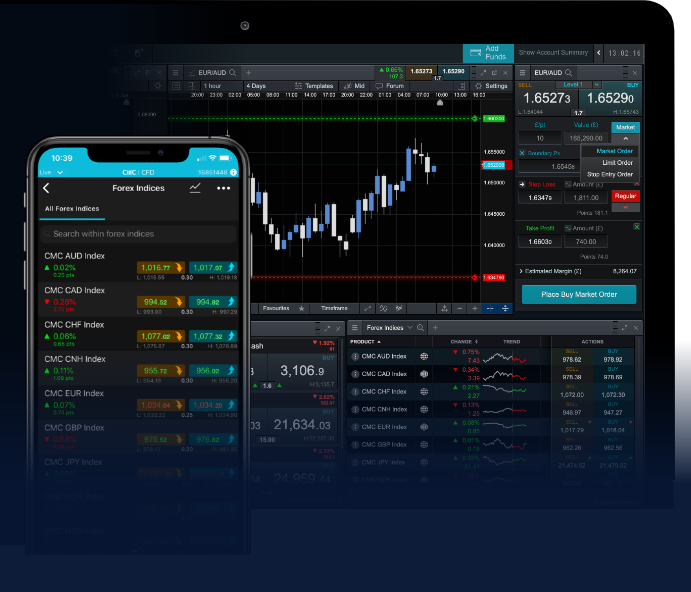
Forex trading charts are graphical representations that display the historical price movements of currency pairs over specific periods. They are essential for traders because they provide valuable information about market trends, potential reversals, and opportunities for entry and exit points. Traders utilize various types of charts, each offering unique perspectives on price movement and trading signals.
Types of Forex Trading Charts
There are several types of Forex trading charts, each serving a distinct purpose. The three most commonly used charts include:
1. Line Charts
Line charts are one of the simplest forms of Forex charts. They connect closing prices of currency pairs over a specified period with a continuous line. This simplicity makes line charts quick and easy to read but limits the amount of information available for detailed analysis. While they provide a clear view of price trends, they do not display highs, lows, or trading volume.
2. Bar Charts
Bar charts offer more detailed information than line charts. Each bar represents the price range for a specific time frame (e.g., hourly, daily). A vertical line illustrates the total range between the high and low prices, while a small horizontal line on the left marks the opening price, and another one on the right indicates the closing price. This provides traders with insights into market volatility and sentiment.
3. Candlestick Charts
Candlestick charts are the most popular type of Forex chart among traders. Each «candlestick» represents price movement within a specific time frame and contains four key components: open, high, low, and close prices. The body of the candlestick is typically filled if the closing price is lower than the opening price (bearish) and hollow or colored if the closing price is higher (bullish). Candlestick patterns offer rich insights into market psychology and potential reversals.
How to Read Forex Trading Charts
Reading Forex trading charts effectively is an essential skill for traders. Here are key elements and techniques to consider when analyzing charts:
1. Time Frames
Forex charts can be analyzed over different time frames, ranging from one minute to monthly charts. Shorter time frames are suitable for day traders, while longer time frames offer insights for swing traders and long-term investors. Choosing the right time frame is crucial based on trading strategy and objectives.
2. Support and Resistance Levels
Support and resistance levels are horizontal lines drawn on charts to identify potential price levels where markets may reverse. Support levels are where buyers typically enter the market, preventing the price from falling further. In contrast, resistance levels are where sellers may enter, capping price increases. Recognizing these levels helps traders determine entry and exit points.
3. Trend Lines
Trend lines are diagonal lines drawn across price points on the chart to indicate the direction of market movement. An upward trend line connects higher lows, while a downward trend line connects lower highs. Understanding market trends aids in determining the overall direction and potential reversals in price movements.
4. Technical Indicators
In addition to reading price movements, traders often utilize technical indicators to gain deeper insights. Indicators such as Moving Averages, Relative Strength Index (RSI), and Bollinger Bands can help confirm trends, identify overbought or oversold conditions, and signal potential entry or exit points. However, it’s important to use them in conjunction with price action for better accuracy.
Common Chart Patterns
Chart patterns provide additional signals for traders, indicating potential future price movements. Some common patterns include:
1. Head and Shoulders
The Head and Shoulders pattern indicates a potential reversal. It consists of three peaks: a higher peak (head) between two lower peaks (shoulders). A Neckline is drawn connecting the lows, helping traders identify entry points when the price breaks below this line.
2. Double Top and Double Bottom

A Double Top pattern signifies a potential downturn, occurring after an uptrend when the price reaches a level twice before reversing. Conversely, a Double Bottom signals a potential uptrend after a downtrend, where the price hits a level twice before bouncing back upward.
3. Flags and Pennants
Flags and pennants are continuation patterns forming after a sharp price movement. Flags are rectangular shapes that slope against the prevailing trend, while pennants are small symmetrical triangles. Recognizing these patterns can help traders enter trades in the direction of the prevailing trend.
Best Practices for Using Forex Trading Charts
To maximize the effectiveness of Forex trading charts, consider the following best practices:
1. Combine Multiple Chart Types
Using multiple chart types together can provide a more comprehensive analysis. For example, traders might use candlestick charts for detailed patterns while referencing line charts for an overview of the trend. This combination leads to better-informed decisions.
2. Manage Risk
Always implement risk management strategies, including stop-loss orders and proper position sizing. Even the best analyses can result in losses, so protecting your capital is paramount.
3. Stay Updated on News
Fundamental factors can significantly impact price movements. Stay informed about economic indicators, geopolitical events, and central bank policies, as this information complements technical analysis.
Conclusion
Forex trading charts are invaluable tools for traders, providing insights into market trends, potential reversals, and effective entry and exit points. Mastering the different types of charts and how to interpret them is essential for successful trading. By integrating technical analysis with a sound risk management strategy, traders can make informed decisions and improve their chances of profitability in the Forex market. With practice and continued learning, anyone can become proficient in reading Forex trading charts and enhancing their trading strategies.
No responses yet